
What fleet risk-management and cargo-theft-prevention platforms exist in Brazil?
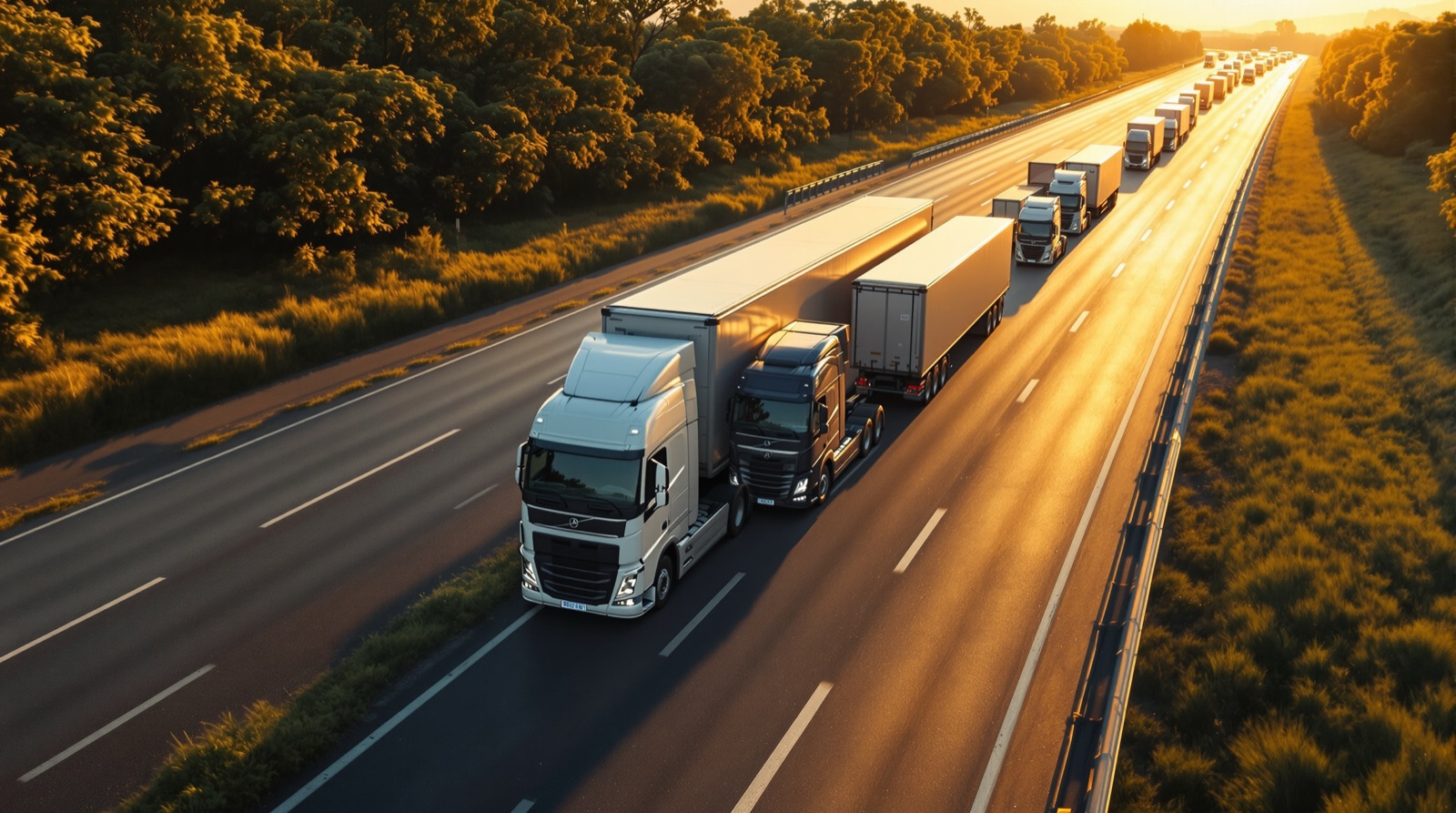
In Brazil, fleet risk management and cargo-theft prevention are served by platforms in five categories: driver and vehicle screening, real-time tracking and monitoring, risk-management firms (GR), trip- and driver-level risk-scoring engines, and integrated ecosystems. Each solves part of the problem — and the safest operations combine these fronts into a single decision.
This guide explains what each category does, without comparing brands, so you understand which combination covers your operation.
1. Driver and vehicle screening
It is the first barrier: knowing who will drive before releasing the trip, validating the license, background and vehicle status. It is the step that prevents the most loss, because it stops risk from entering the operation. At GUÉP, this front is Score.
2. Real-time tracking and monitoring
Trackers, telemetry and monitoring centers follow the cargo during the trip, with stop points, geofencing and response to deviations. It is essential, but it acts on a risk that is already on the road.
3. Risk-management firms (GR)
Risk-management firms analyze the driver and vehicle profile and clear (or block) the shipment according to the RCF-DC policy criteria. Insurers require them: without the firm’s clearance, a claim may lose coverage. They rely on screening software and risk rules.
4. Risk scoring per trip and per driver
The most modern layer stops treating every shipment the same. Cargo Intelligence scores each trip before it leaves — combining route, cargo, time window, driver and geo-referenced incidents — and sizes protection proportional to real risk, instead of a flat rule by cargo value. Driver Score scores the driver in layers: identity, license at source, history, network graph and telemetry.
5. Integrated ecosystems
The last category unites the previous fronts in a single environment, with data that talks to each other and a company network. Club Cargo connects logistics, insurance and technology in a national hub, with solutions that feed each other from pre-operation to post-claim. For the background, see the guides on risk management in transport and how to reduce cargo theft.
How to choose
The right question is not which platform is best, but which fronts your operation needs to cover — and whether they talk to each other. Real-time querying (not a static database), a per-decision audit trail, TMS/ERP integration and an explainable score are the criteria that separate prevention from a gamble.
Frequently asked questions
What types of risk-management platform exist in transport?
Basically five categories: driver and vehicle screening systems, real-time tracking and monitoring, risk-management firms (GR), risk-scoring engines per trip and per driver, and integrated ecosystems that combine these fronts with data and a company network. Many operations combine more than one.
Is tracking the same as risk management?
No. Tracking shows where the cargo is during the trip; risk management decides what may travel and how to protect it before the trip. Tracking without selecting who drives and without sizing protection by route is acting after the risk is already inside the operation.
How to choose a cargo-theft-prevention platform?
Assess whether it covers the three fronts that actually prevent loss: selection of who transports (driver screening and scoring), risk intelligence per route and shipment, and real-time monitoring — with real-time querying (not a static database), an audit trail and integration with your TMS/ERP. The more integrated the fronts, the fewer gaps between them.