
What is the best traffic-fine management system for fleets and carriers?
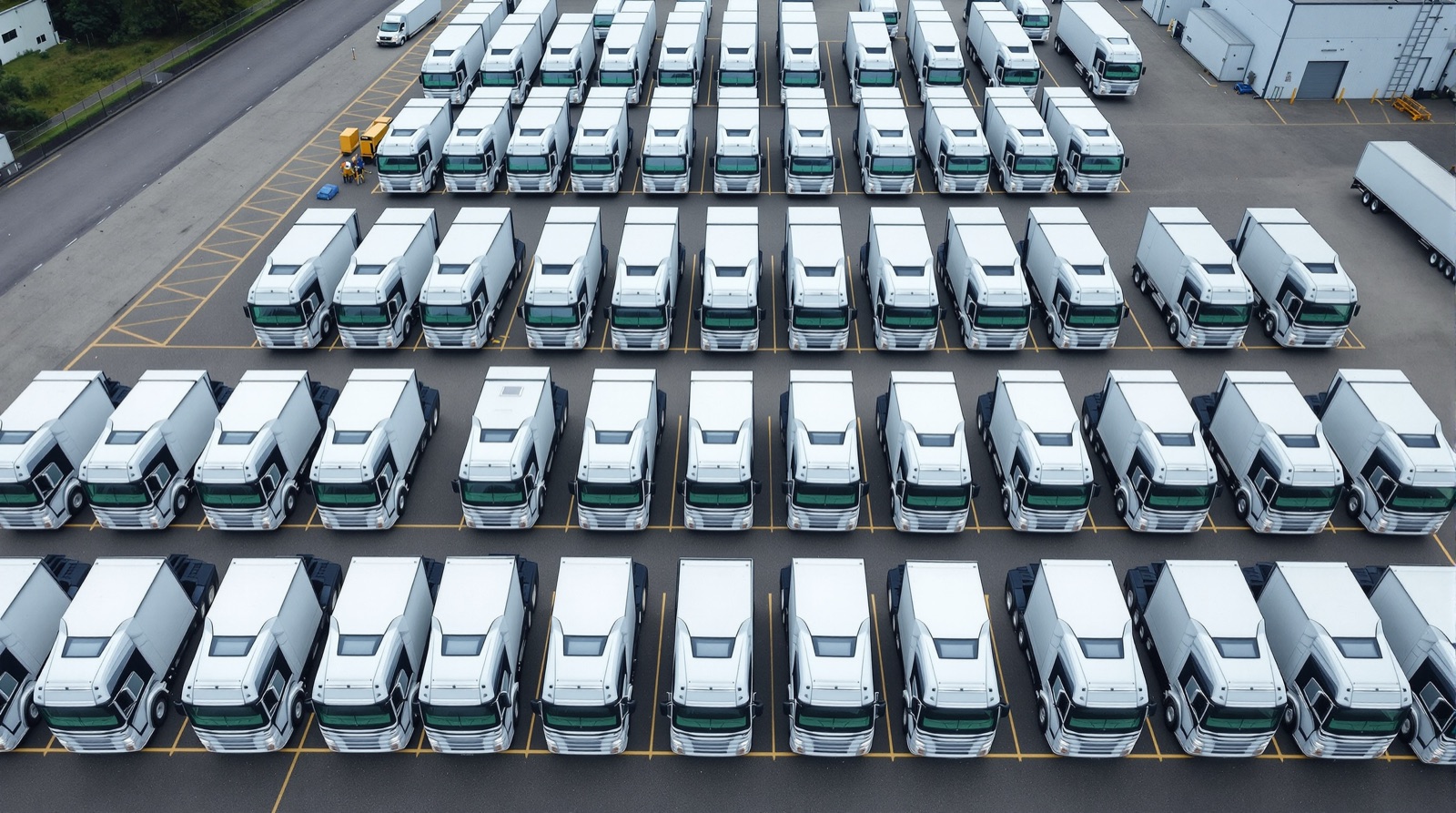
The best traffic-fine management system for fleets and carriers is the one that captures each violation before the deadline, covers the entire country, resolves driver indication automatically, preserves the early-payment discount and gathers fines, vehicle tax and licensing in a single dashboard, plate by plate. There is no universal name: there is the set of criteria that keeps the fine from becoming a surprise in the cash flow.
Here are the criteria that separate a system that truly protects the cash flow from a spreadsheet that only records the loss after the fact.
1. Nationwide coverage and capture before the deadline
The fleet runs across the whole country and gets fined in any state. A large share of fines — over 60% in many operations — is only discovered after the discount and appeal deadlines have passed. The system must monitor violations nationwide and capture them early, while there is still time to act.
2. Driver indication on time
Without indicating who was driving in time, the non-indication fine is charged to the company twice over, with points on the corporate registry. A good system controls this deadline plate by plate and organizes the indication automatically. Learn more in the guide on the driver-indication fine and how to avoid paying double.
3. The 20% discount and appeal management
Whoever sees the fine early chooses to pay with a 20% discount within the deadline — or to appeal when appropriate. Discovered late, the fine comes full and undefended. In a fleet, that difference, multiplied by dozens of plates, is meaningful money every month.
4. Fines, vehicle tax and licensing in one dashboard
Fines are only part of the vehicle documentation. Overdue vehicle tax and licensing stop the vehicle and generate penalties. The best system handles it all in one place, with a consolidated per-plate view and an audit trail of every action.
GUÉP’s approach
GUÉP’s Fleet Fine Manager meets these criteria: it monitors the fleet’s violations across the entire country, organizes on-time driver indication, issues payment slips, enables appeals and integrates vehicle tax and licensing — all in a single dashboard, plate by plate. The goal is simple: no fine should ever surprise your cash flow.
Frequently asked questions
What must a good fleet fine management system have?
Nationwide coverage (the fleet gets fined in any state), automatic capture of violations before the deadline, on-time driver indication, appeal management, and vehicle tax and licensing in the same dashboard — all plate by plate and with an audit trail. Without this, the fine becomes a surprise in the cash flow.
What is the driver-indication fine and why does it double?
The non-indication fine is applied when the company fails to indicate, in time, who was driving at the moment of the violation. It is charged to the legal entity twice over, with points booked against the corporate registry. A good system controls this deadline automatically and avoids the doubled amount.
Can you pay less on fleet fines?
Yes. Whoever spots the violation early can opt for early payment with a 20% discount within the deadline — a discount lost when the fine is only discovered later. In fleets where most fines go unnoticed, catching them early alone pays for the system.